
Elastomeric bridge bearing are manufactured by vulcanizing layers of natural rubber or neoprene with steel laminates. This construction creates a robust, maintenance-free component that effectively distributes loads and accommodates structural movements, including thermal expansion, shrinkage, and creep. Key features include excellent durability, resistance to environmental factors, and the ability to allow for rotation and translation. Designed to meet international standards like AASHTO and EN, they provide a reliable and cost-effective solution for a wide range of bridges and structures.
1. Structural Performance
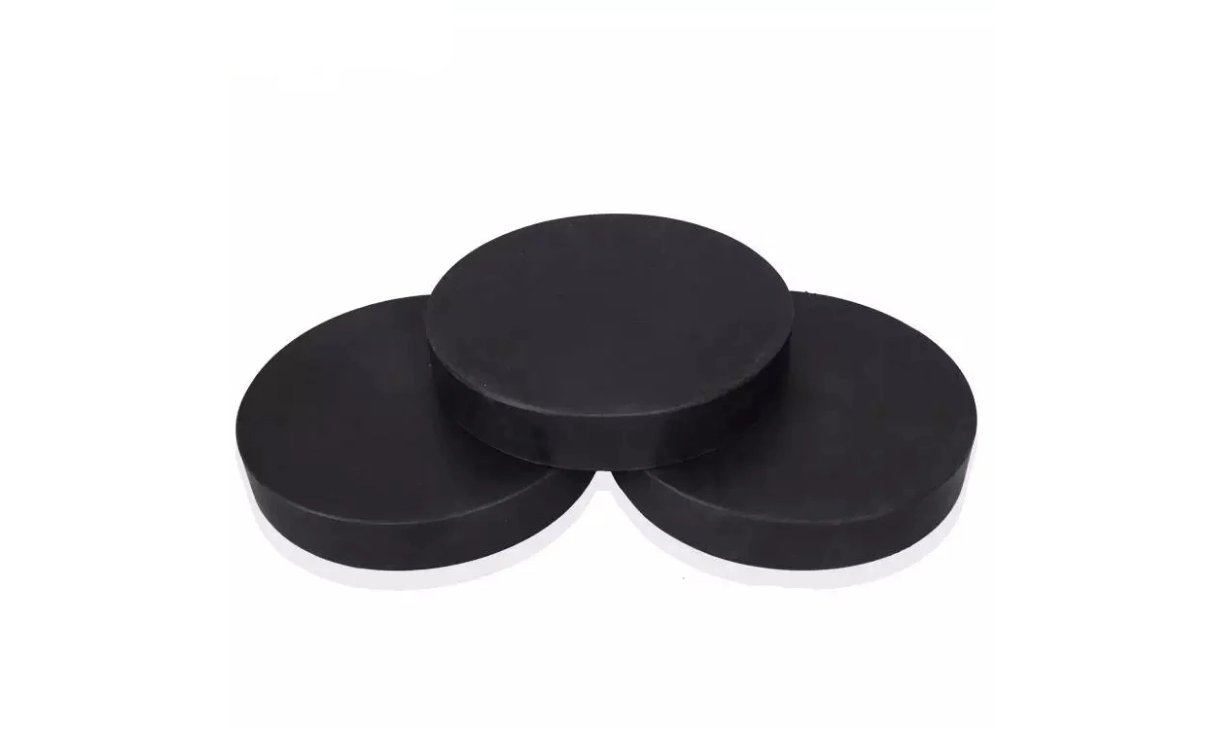
Ordinary laminated rubber bearings are manufactured by vulcanizing and bonding multiple layers of rubber sheets with thin steel plates. They possess sufficient vertical stiffness to reliably transfer the reaction forces from the superstructure to the piers and abutments. Their excellent elasticity accommodates rotational movements at beam ends, while their significant shear deformation capacity satisfies horizontal displacement requirements of the superstructure.
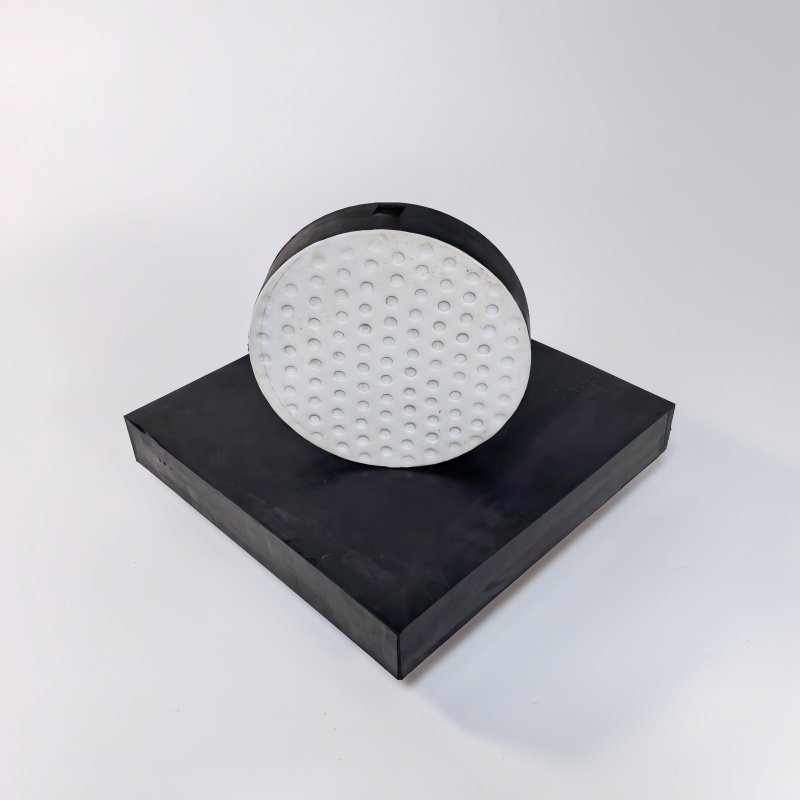
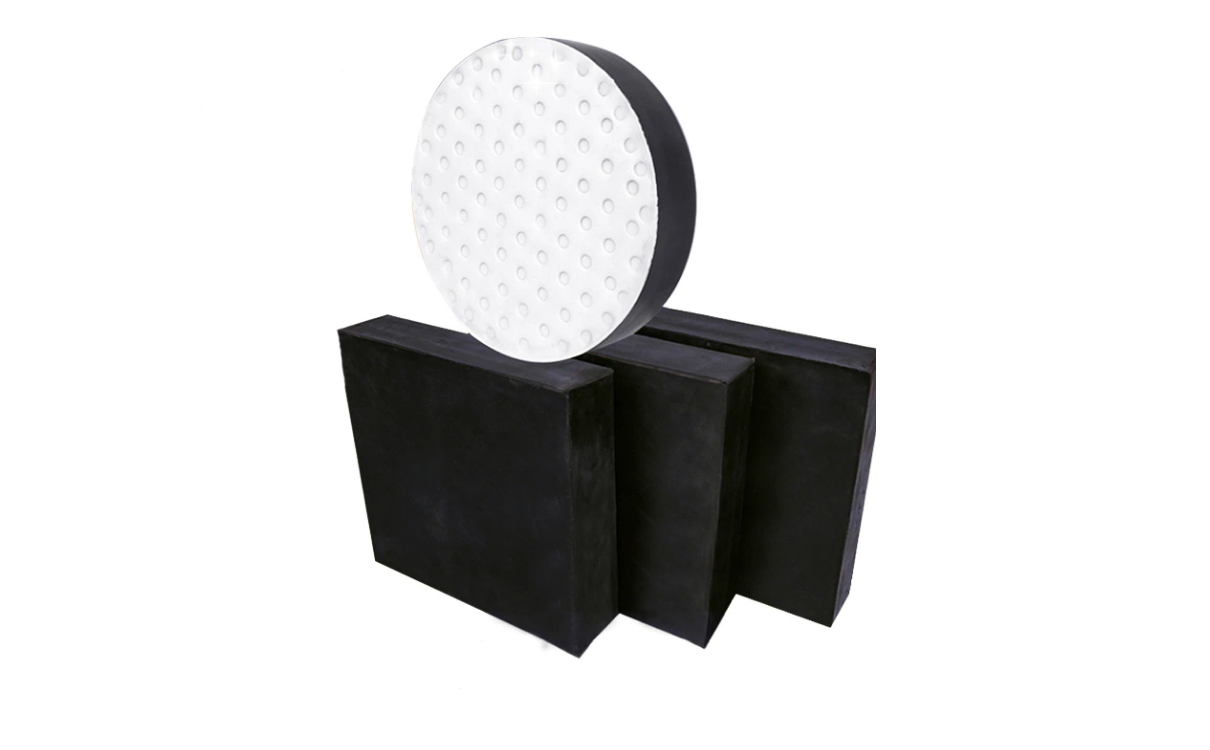
By bonding a 2mm–3mm thick polytetrafluoroethylene (PTFE) plate onto the surface of an ordinary laminated rubber bearing, a PTFE sliding rubber bearing is produced. The low-friction structure formed by the PTFE plate, silicone grease (e.g., 201-type), and stainless steel allows the beam end to slide freely on the PTFE surface, enabling unrestricted horizontal displacement. This type is particularly suitable for bridges with small to medium loads and large displacements.
2. Classification of Laminated Rubber Bearings
(1) Laminated rubber bearings are classified by structural form into:
Rectangular ordinary laminated rubber bearings
Circular ordinary laminated rubber bearings
Rectangular PTFE laminated rubber bearings
Circular PTFE laminated rubber bearings
(2) Laminated rubber bearings are classified by rubber type and applicable conditions into:
Normal Temperature Type: Manufactured using chloroprene rubber (CR), suitable for temperatures from -25°C to +60°C.
Low Temperature Type: Manufactured using natural rubber (NR), suitable for temperatures from -40°C to +60°C.