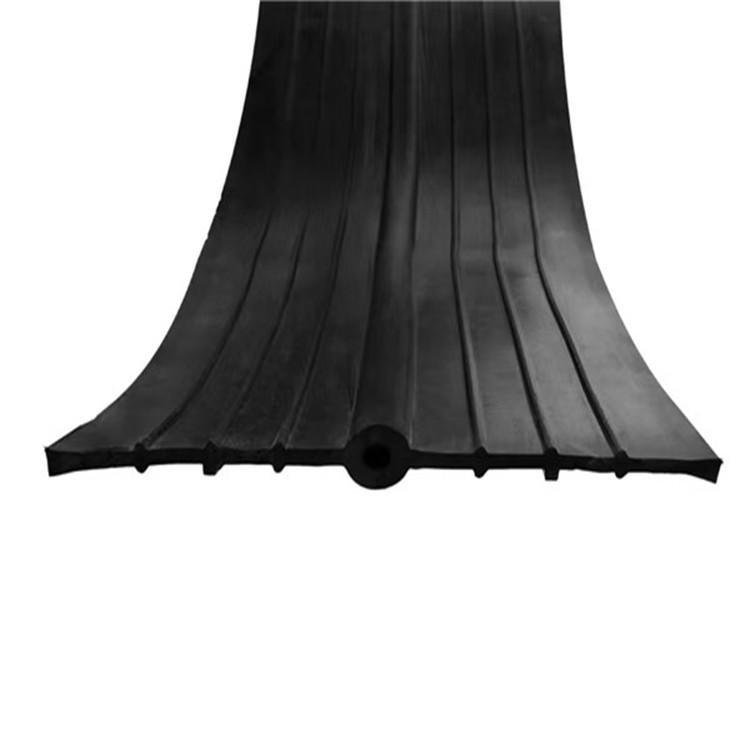
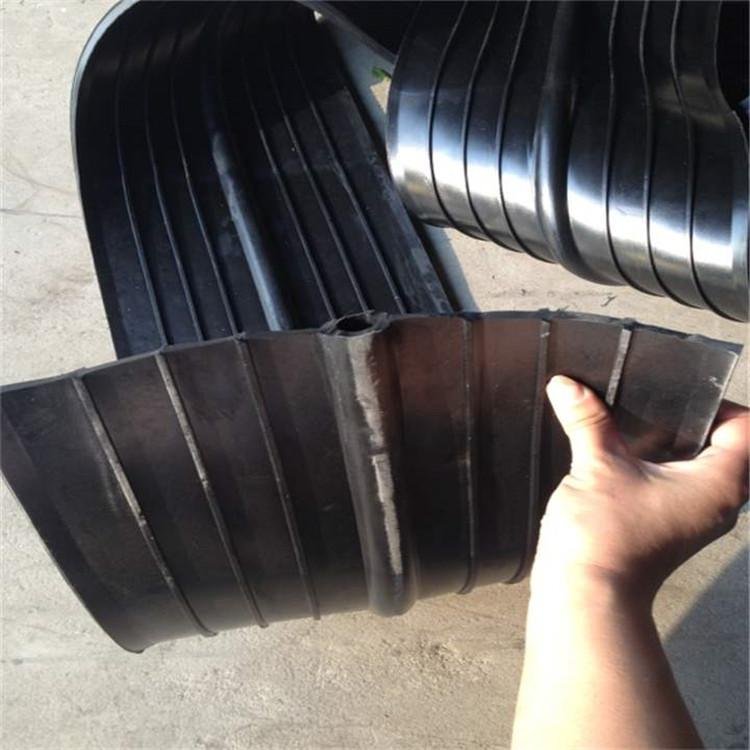
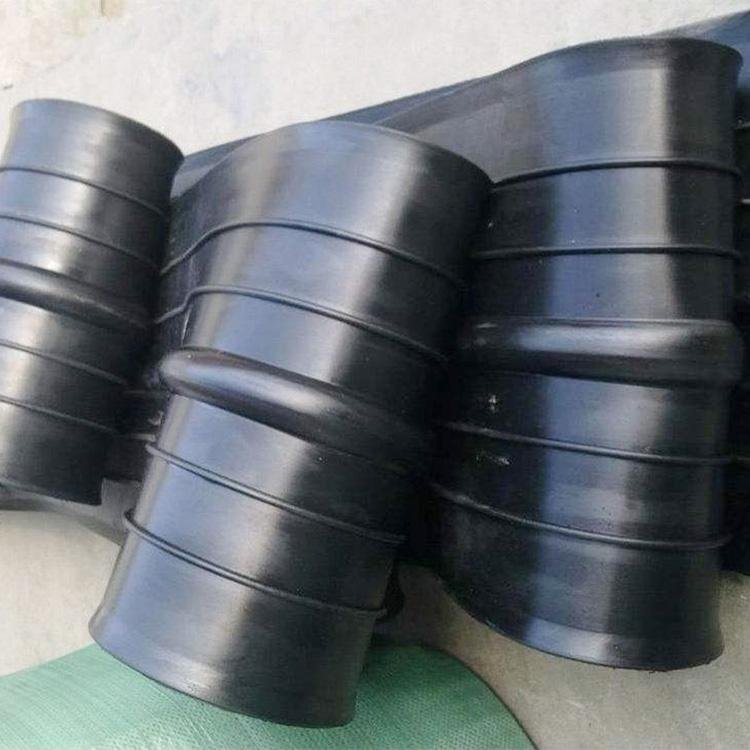
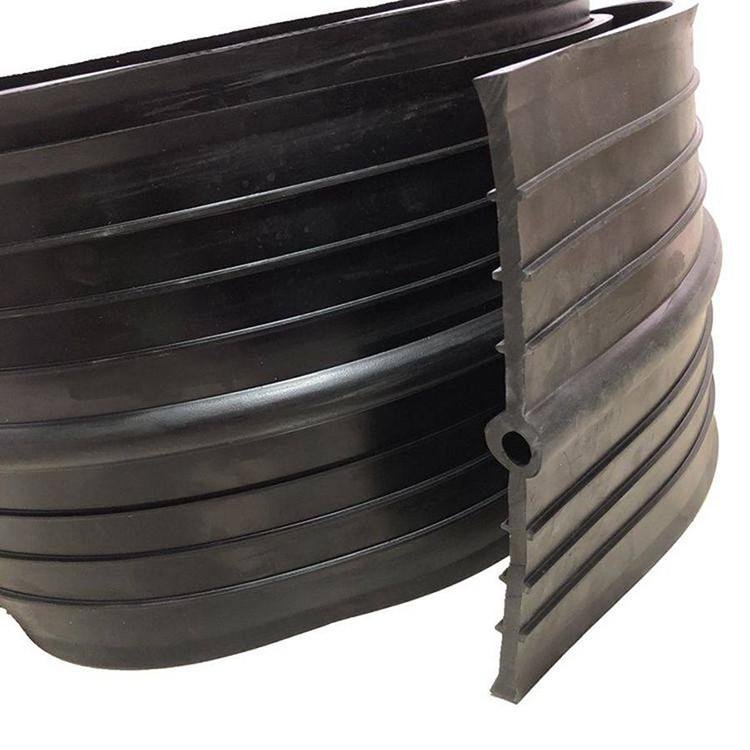
Hydrophilic Construction Rubber Waterstops
1. Function and Application Scope of Waterstops
Waterstops leverage the high elasticity and compressive deformability of rubber to generate elastic deformation under various loads, thereby achieving effective tight sealing and preventing water leakage and seepage in building structures, as well as playing a role in shock absorption and buffering. In the architectural design of large-scale projects, expansion joints, settlement joints and deformation joints must be reserved due to factors such as the inability of continuous concrete pouring, foundation deformation, or thermal expansion and contraction of concrete components caused by temperature changes. Waterstops must be installed at these joints to prevent water seepage.
Waterstops are mainly used in foundation engineering where they are embedded in construction joints and deformation joints during cast-in-place concrete construction to form an integrated structure with the concrete. Typical applications include underground facilities, tunnels and culverts, subways, docks, aqueducts, water-retaining dams, liquid storage structures and other projects.
2. Design and Selection of Waterstops
(1) Selection of Waterstops
The selection shall be determined through a comprehensive consideration of factors such as the importance grade of the structure, the deformation capacity of deformation joints, water pressure, the service environment of waterstops and economic factors.
(2) The selection of waterstop materials shall comply with the following provisions:
Natural rubber waterstops are selected for general applications.
Chloroprene rubber (CR) waterstops should be adopted when the working environment is exposed to weak acidic or alkaline corrosive media.
Nitrile butadiene rubber (NBR) waterstops are suitable for occasions with oil media contact.
The mildew resistance of waterstops shall be considered when there is a risk of mold erosion, with the mildew resistance grade reaching Grade 2 or above.
Chloroprene rubber waterstops are selected for a service temperature range of -25℃~60℃; natural rubber waterstops for -35℃~60℃; and ethylene propylene diene monomer (EPDM) rubber waterstops for -40℃~60℃.
When welding with waterproof boards and other materials is required, synthetic resin waterstops of the same molecular type (EVA, PE, ECB, HDPE, PVC) as the mating materials should be selected.
(3) The width and thickness of waterstops shall be determined mainly based on the following three factors:
a. Deformation capacity of deformation joints in horizontal and vertical directions;
b. Water pressure;
c. Structural section dimensions.